
What to do with gift cards you will never use
An unused gift card is money you already have, just stuck in a drawer. Check your protections under federal and state rules, confirm the balance safely, then use, regift, sell or donate it before it slips your mind.
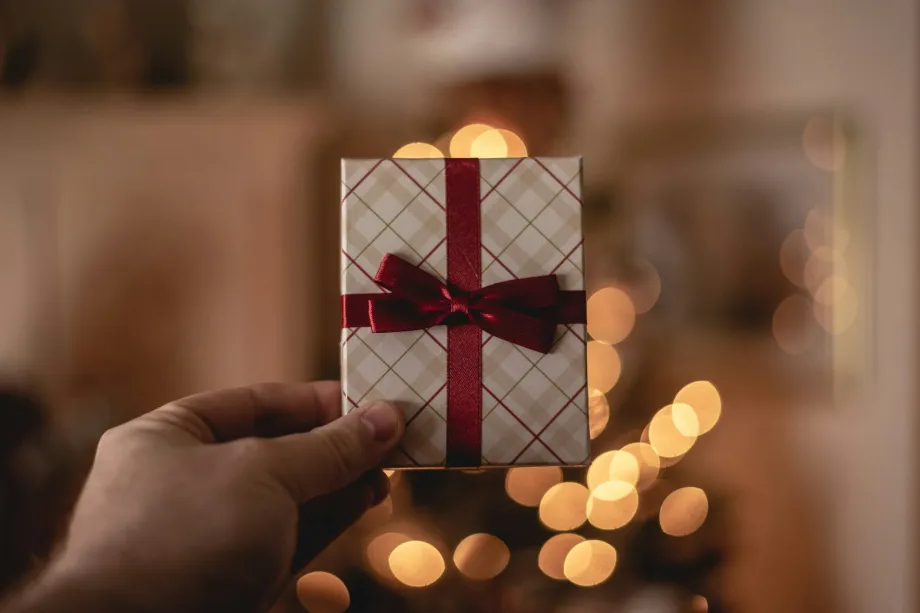
Most households have a few: a card from a restaurant across town, one from a store nobody in the family shops at, a leftover balance from last year. Each one is real money. The good news is that the law gives gift card holders some protection, and there are several practical ways to turn an unwanted card into something useful.
What federal rules say
The federal Credit CARD Act sets a minimum standard for most store gift cards and many prepaid gift cards sold to consumers. In general terms, the money on the card cannot expire sooner than five years after the card was activated or the last time money was added. If the plastic card shows an earlier expiration date, that does not erase the funds, and the issuer may need to provide a replacement. Disclosure rules apply too, so expiration terms and fees should be stated on the card or its packaging.
The same law limits fees for not using a card. Issuers cannot charge inactivity, dormancy or service fees freely, and any fee that is allowed has to be clearly disclosed before purchase. The exact conditions are written into the regulation, and some types of cards, such as reloadable cards or promotional cards given away for free, can follow different rules.
Because the details depend on the type of card, the simplest move is to read the terms printed on the card or packaging. If something looks wrong, the issuer's customer service line is the first call.
State rules can go further
Federal law is a floor, not a ceiling. Many states have their own gift card laws, and some offer stronger protection. Depending on where you live, a state may restrict or ban expiration dates, limit or prohibit fees, or require a store to give cash back for a small leftover balance on request.
State rules vary a lot and change over time, so it is worth checking. Your state attorney general's office or consumer protection agency usually explains the local rules on its website. That is especially useful if a card was bought in a different state from the one where you live.
Check the balance safely
Before deciding what to do with a card, find out what is on it. Do not rely on a handwritten note on the envelope.
Checking a balance is one of the moments where people get scammed. Some websites that appear in search results or arrive as links in messages look like balance checkers but are built to capture card numbers and PINs, and the balance disappears soon after. Use only the phone number or website printed on the back of the card, or ask at the store's register. For an e-gift card, go back to the original email from the sender or retailer.
Ways to use a card you do not want
Use it for something you already buy
Before anything else, look at whether the card can cover something on your normal list. Many stores sell household basics, school supplies or gifts you would buy anyway. Using the card on a planned purchase is the simplest way to get its full value.
Regift it
A card that does not suit you may suit a friend, a relative or a teacher. Confirm the balance first, and make sure the card is clean and undamaged with the PIN cover intact. Let the person know the amount, so there are no surprises at the register.
Sell or exchange it
Resale services let you sell a card for cash or trade it for credit at another store. Expect to get less than the full balance, since the service keeps a cut, and cards for less popular retailers usually fetch less. Stick with an established service that explains its buyer and seller protections. Avoid deals with strangers on social media or classified ads, where a common trick is to drain the card and then reverse the payment.
Donate it
Many charities, food pantries, shelters and schools accept gift cards and can use them for supplies. Call ahead to confirm they can use a card for that particular store.
Gift card scams to avoid
Gift cards are a favorite of scammers because they are fast to use and hard to trace.
One scheme targets cards on store racks. Criminals copy the numbers from unsold cards and expose the PIN, then cover it again. When someone buys and loads the card, the thieves spend the balance online. Before you buy, look closely at the packaging and the PIN cover for signs of tampering, and choose a card from the back of the rack or ask for one kept behind the counter.
The other common scheme is a demand for payment. According to the FTC, anyone who insists you pay with a gift card is a scammer. Real government agencies, utilities and law enforcement do not ask for payment by gift card, whether the message claims to be about back taxes, a utility shutoff or a relative in trouble. Hang up, do not share the card numbers, and report it to the FTC.
Make it a habit
Once or twice a year, gather the cards in the house, check the balances safely and decide what to do with each one. A few minutes of sorting keeps money from sitting forgotten in a drawer.
Frequently asked questions
Do gift cards expire?
Under the federal Credit CARD Act, the money on most store gift cards generally cannot expire sooner than five years after the card was activated or last loaded. The plastic card can have an earlier date, and some states offer more protection, so check the card's terms and your state's rules.
Can a gift card charge fees if I do not use it?
Federal rules limit inactivity and dormancy fees and require them to be disclosed, and some states restrict or ban them. Read the terms on the card or packaging, and check your state's consumer protection office for local rules.
What is the safest way to check a balance?
Use the phone number or website printed on the card itself, or ask at the store. Avoid balance-check sites you find through search results or links in messages, since some are set up to steal card numbers.
Is it safe to sell a gift card online?
It can be, but scams are common. Use a well-established resale service with clear protections, do not deal with strangers on social media, and expect to receive less than the full balance.