
Back-to-school shopping without overspending
The cheapest school supplies are the ones already sitting in your junk drawer. Start with the official list and a home inventory, then spread the rest of the buying over the season instead of one big trip.
Begin with the list, not the store
Late in the summer the aisles fill up with bright folders and novelty pencil cases, and it is easy to walk out with a full cart before anyone has read what the school actually asked for. The supply list is your budget's best friend. Get it first, from the school website, the class portal or the teacher, and treat it as the outer limit of what you buy.
Read the list closely. Teachers often name a specific type of notebook, a certain number of folders or a particular kind of calculator because the whole class will use the same thing. Buying a fancier version rarely helps, and buying extras "just in case" usually means a stack of unused paper in the closet at the end of the year.
Also look for notes about shared supplies. Some classrooms pool tissues, wipes and glue sticks, while others want each child to keep personal supplies in a desk. If you are unsure, a short message to the teacher can save you from buying a family-size pack of something the class already has.
Shop your own house first
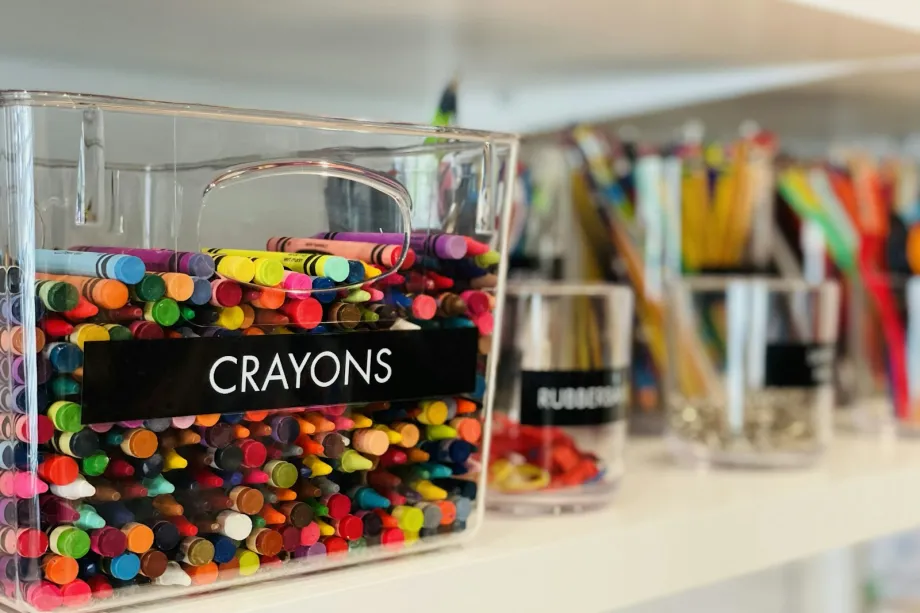
Before you spend anything, empty last year's backpack, the desk drawers and that bin in the hall closet onto the kitchen table. Most families find more than they expect: half-used notebooks with plenty of blank pages, rulers, scissors, a pencil box that only needs a wipe, highlighters that still work.
Test markers and pens on scrap paper and toss the dry ones. Sharpen the pencils. Tear the used pages out of spiral notebooks and keep them for practice work at home. Then sort everything into two piles: ready for school, and not good enough to send. Cross the first pile off the list.
Kids can help with this, and it is a good moment to talk about money. When a child sees how much usable stuff is already in the house, the request for a brand new everything tends to shrink.
Clothes and shoes for a growing kid
Children do not grow on the retail calendar. A full fall wardrobe bought in late summer can be too short in the sleeves by the time the weather turns. A calmer approach is to buy enough for the first few weeks and fill in later.
Have your kids try on what they already own. Pants, long-sleeve tops and jackets are the usual problem spots. Replace what is clearly outgrown or worn through, and leave the rest of the cold-weather shopping for when it is actually needed.
Shoes deserve a little more care. Measure feet close to the start of school rather than early in the summer, and buy the size that fits now with a bit of room at the toe. Doubling up on the same size to save a trip later is a gamble with fast-growing feet.
Check the dress code before you buy anything. Some schools have rules about logos, colors, collars or shorts length, and clothes that break the code are money spent on something your child cannot wear to class. Simple basics in colors that mix easily stretch further than a few statement pieces.
Use tax holidays and timing wisely
Some states run a sales tax holiday on clothing and school supplies around the start of the school year. These can make sense for bigger items you already planned to buy, like shoes or a backpack. The details are set by each state and can change from year to year: which items qualify, the price limits per item, and whether local taxes are included. Check your state's department of revenue for the current rules before you plan around it, and remember that a tax break does not make an unneeded purchase a good one.
You also do not have to buy everything at once. Splitting the list into two or three rounds spreads the cost across more than one paycheck:
- First round: what your child needs on day one, like the backpack, notebooks, pencils and a few outfits.
- Second round: items teachers request after the first week, plus gear for cooler weather.
- Later: refills for the middle of the year, like paper, glue sticks and pencils.
Stores often mark down leftover school supplies once classes start. If you have room in a cupboard, that is a reasonable time to pick up refills for the spring semester.
Gear that lasts more than one year
Backpacks and lunch boxes take a beating every day, so a sturdy one bought once can cost less than a cheap one bought twice. When you look at a backpack, check the places that usually fail first: the seams where the straps attach, the bottom panel and the zippers. Padded straps matter for comfort, especially for kids who carry heavy books.
For lunches, look for a bag that is easy to wipe clean inside and containers with lids that seal well. A reusable water bottle with a leakproof cap and a wide opening is easier to wash and less likely to soak a backpack. Over a full school year, reusable containers also cut down on what you spend on disposable bags.
A plain color or simple pattern is worth considering. Characters and trends can feel dated to a child within months, while a neutral bag can come back for another year without complaint.
A short checklist
Get the official list. Empty the drawers and reuse what works. Buy clothes and shoes for now, not for the whole year. Check your state's tax holiday rules if a big purchase is coming. Spread the rest over a few weeks, and choose a few durable pieces over a pile of disposable ones. None of this is complicated, but doing it in that order is what keeps the back-to-school bill from running away from you.
Frequently asked questions
Should I buy everything on the supply list before the first day?
Not necessarily. Some teachers send a revised list or say which items are shared in the classroom, so buying the basics first and waiting on the rest can keep you from paying for things nobody uses.
How do back-to-school sales tax holidays work?
Some states hold a short tax-free period on certain clothing and school supplies, often shortly before classes start. Which items qualify, the limits and the dates are set by each state and can change, so check your state's department of revenue before you plan a trip around it.
Is it worth buying clothes a size up?
For basics that kids wear hard, a little room to grow can stretch the season. For shoes, it is safer to buy the size that fits now, since a poor fit can cause blisters and sore feet.
What makes a lunch box or backpack last more than one year?
Look for sturdy zippers, reinforced seams where the straps meet the bag, and liners you can wipe or wash. A plain design also tends to outlast a child's interest in a particular cartoon or trend.