
A year of seasonal sales and when to wait
Stores stock and clear merchandise on a rhythm that runs ahead of the weather. If you know roughly when each kind of item goes on clearance, you can plan bigger family purchases instead of paying full price in a rush.
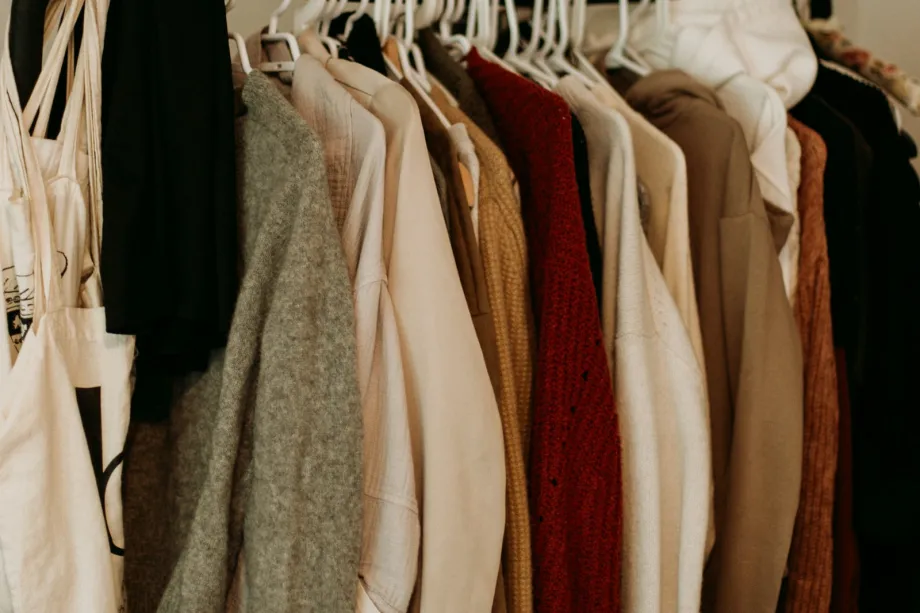
Swimsuits show up in stores while there is still snow on the ground, and wool coats appear in the heat of late summer. Retailers plan around floor space and inventory, not the forecast. Once that clicks, a lot of family shopping becomes easier to plan.
A sales calendar does not need to be exact to be useful. What helps is a general sense of when each category is new and full price, and when stores are trying to clear it out. The patterns below are common in US retail, but timing varies by store, region and year, so treat them as a guide and check actual prices before you buy.
After the winter holidays
The weeks after the winter holidays are clearance season for anything holiday-related: decorations, wrapping paper, gift sets and seasonal home goods. If you have storage space, it is a sensible time to buy what you will need next year.
Winter clothing usually follows. As the season winds down, coat racks shrink and boots, hats and heavy sweaters get marked down to make room for spring. For a growing child, buying outerwear one size up at this point and putting it away can work well, as long as you are comfortable guessing next year's size.
This is also a common time for sales on bedding, towels and other home textiles, and for clearance on cold-weather sports gear like sleds as stores make room for spring and garden displays.
Spring
Spring brings garden supplies, paint, outdoor tools and home improvement items to the front of the store. Early in the season these are at full price because demand is high. If a project can wait a few weeks, prices often improve as promotions start.
Clothing turns over again. Light jackets, jeans and spring shoes take over, and whatever is left from winter may sit on clearance a little longer. For basics that do not depend on the season, such as socks, plain tees and activewear, a quick look at the clearance rack can pay off.
Electronics often follow model cycles. When a new version of a laptop, tablet or other device is announced or released, stores tend to discount the previous one. The older model is often perfectly fine for school and home use, so it is worth watching for that overlap if you are not set on the newest features.
Summer and back to school
Summer clearance comes earlier than many people expect. By midsummer, stores are already making room for school supplies and fall clothing, and swimwear, beach toys and outdoor games start to drop.
Back-to-school shopping is one of the biggest spending periods of the year for families. Supplies, backpacks, shoes and clothes are heavily advertised as summer goes on. Discounts on supplies can continue once classes begin, as stores clear leftover stock. If your child does not need every item on the first day, some of the list can wait.
Holiday weekends in summer often bring sales on furniture, mattresses and outdoor living items. Grills, patio sets and umbrellas tend to drop toward the end of the season, when stores want the space for fall merchandise. If you can wait until then and store the item over the winter, you usually pay less.
Fall and the holiday shopping season
Fall is a common time for new models of major appliances and for sales on outgoing ones. If your washer or refrigerator is near the end of its life and you can plan the replacement, watching prices through the fall can help. Televisions and other home electronics are also heavily promoted in the months before the winter holidays.
Then come the big holiday shopping events. Discounts appear across almost every category, from small kitchen appliances to toys to outerwear. Some are genuine low points for the year. Others are ordinary prices dressed up with countdown clocks and big signs. Price checks matter most in this season, because the volume of promotions makes it hard to tell what is special.
Why a calendar beats impulse
Impulse spending usually happens when a need shows up suddenly and has to be met at whatever price is on the shelf that day. A calendar turns many of those moments into planned purchases. If you know outdoor furniture drops at the end of summer and winter coats drop at the end of winter, you can buy ahead and stop paying top price for urgency.
It does take some planning and storage. A bin for next year's kids' clothes, a shelf for wrapping supplies, a closet corner for spare bedding. For many families, that small amount of space is worth it.
A calendar also helps with sales pressure. When you know that a category will be discounted again next season, a "today only" sign loses its power. If you miss one clearance, another will come.
Keep a running wish list
The simplest tool is a list of things your family will need in the coming months: a bigger bike, a new mattress, winter boots, a replacement vacuum. Keep it on your phone or on the fridge, and note the price when you see the item. When a seasonal sale arrives, you will know what you are looking for and what a good price is.
That list is also what keeps you from filling the cart with clearance items you did not need. A discount on something nobody uses is not savings. Patience, a list and a rough sense of the seasons will do more for a family budget than chasing every sale.
Frequently asked questions
When are winter coats usually cheapest?
Toward the end of the cold season, when stores clear space for spring items. If you can store a coat for a year, buying a size up for a growing child at that point often costs less than buying at the first cold snap.
Do appliances and electronics really go on sale when new models come out?
Often, yes. When a new model arrives, stores tend to discount the outgoing one. Timing varies by product and brand, so watch prices on the specific item you want rather than relying on a fixed date.
Are big holiday sales events always the best time to buy?
Not always. Many items are discounted during those events, but some prices are no lower than at other times of the year. Check what the item has cost recently before you treat an event price as a bargain.